Over View

Cancer occurs when body cells begin to grow in an uncontrolled way. Instead of forming healthy tissue, these abnormal cells can form tumors. Some cancers remain in one place, while others spread to distant organs , this is called metastatic cancer.

To grow, tumors need oxygen and nutrients. They send signals to create new blood vessels, a process known as angiogenesis. Modern cancer care may include treatments that target this process as part of a broader therapy plan.
Types of Advanced Cancers

Types of Advanced Cancers

  • Metastatic Colorectal Cancer: Cancer of the colon or rectum that has spread beyond the intestine.
  • Non-Squamous Non-Small Cell Lung Cancer: A common type of lung cancer affecting the lining of the lungs.
  • Glioblastoma: A fast-growing tumor that develops in the brain.
  • Metastatic Renal Cell Carcinoma: Kidney cancer that has spread to other parts of the body.
  • Persistent, Recurrent, or Metastatic Cervical Cancer: Cancer of the cervix that has returned after treatment or spread.
Types of Advanced Cancers

Common Warning Signs

Symptoms vary by cancer type but may include:

Note:

Early medical attention is important when symptoms persist.

Unexplained Weight Loss
Ongoing fatigue
Ongoing fatigue
Pain that does not go away
Abnormal bleeding
Abnormal bleeding
Changes in bowel or bladder habits
Chronic cough or dyspnea
Headaches, seizures, or vision problems
Note:

Early medical attention is important when symptoms persist.

Possible Causes & Risk Factors

Cancer develops due to changes in genes that control cell growth. Risk factors may include:

Tobacco use
Tobacco use
Alcohol consumption
Alcohol consumption
Obesity and poor diet
Chronic infections
Chronic infections
Radiation exposure
Radiation exposure
Family history
Family history
Environmental toxins
Family history
Family history
Environmental toxins

How These Cancers Are Diagnosed

Physical examination
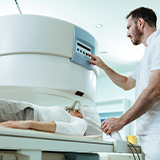
Imaging tests (CT, MRI, PET scans)
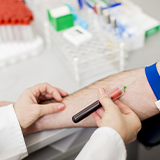
Blood tests
Blood tests
Biopsy
Biopsy
Molecular testing
Molecular testing

Early andaccuratediagnosis helps guide treatment choices.

Treatment Approaches

Management of advanced cancers often includes a combination of:

Surgery
Surgery

When removal is possible.

Chemotherapy
Chemotherapy

Medicines that kill rapidly growing cells .

Radiation therapy
Radiation therapy

High-energy beams targeting tumors.

Targeted therapy
Targeted therapy

Medicines that focus on specific cancer growth pathways.

Immunotherapy
Immunotherapy

Treatments that help the immune system fight cancer.

Treatment is personalized based on cancer type, stage, and overall health.

Support During Treatment

support_treatment
  • Maintain a balanced diet.
  • Stay active as advised.
  • Keep all medical appointments.
  • Report new or worsening symptoms promptly.
  • Seek emotional and family support.

Treatment is personalized based on cancer type, stage, and overall health.

Disclaimer

Always follow your cancer specialist’s advice. Do not stop treatment or change doses without talking to your doctor. If anything feels unusual, report it promptly. Early communication helps keep treatment safe.