Healthcare Professionals

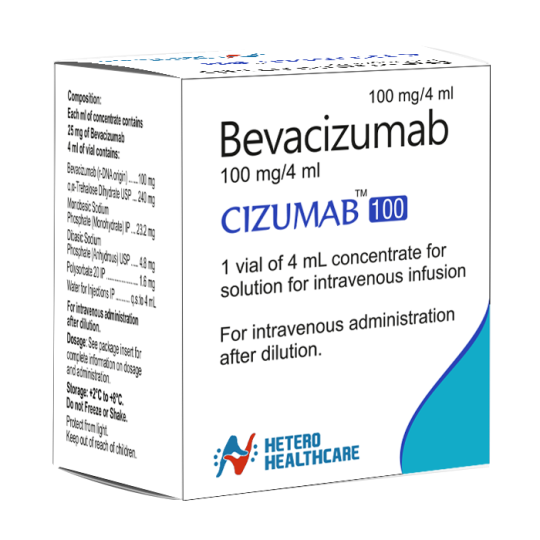
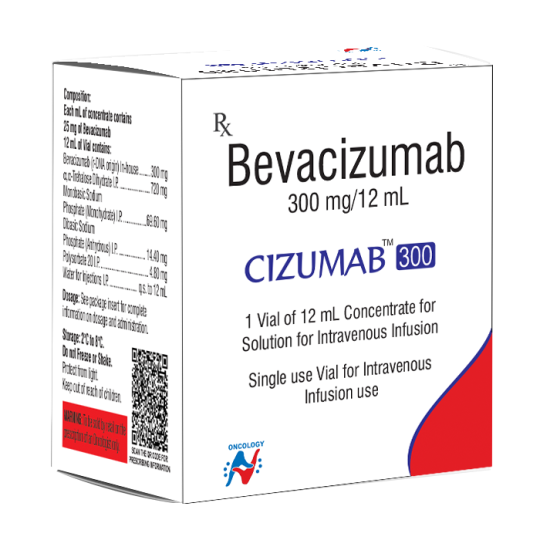
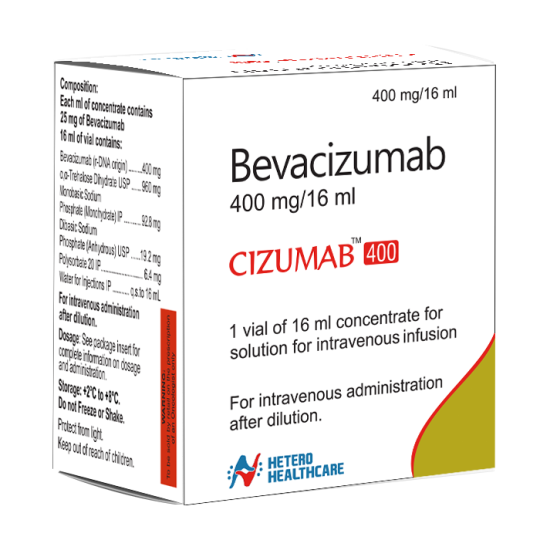
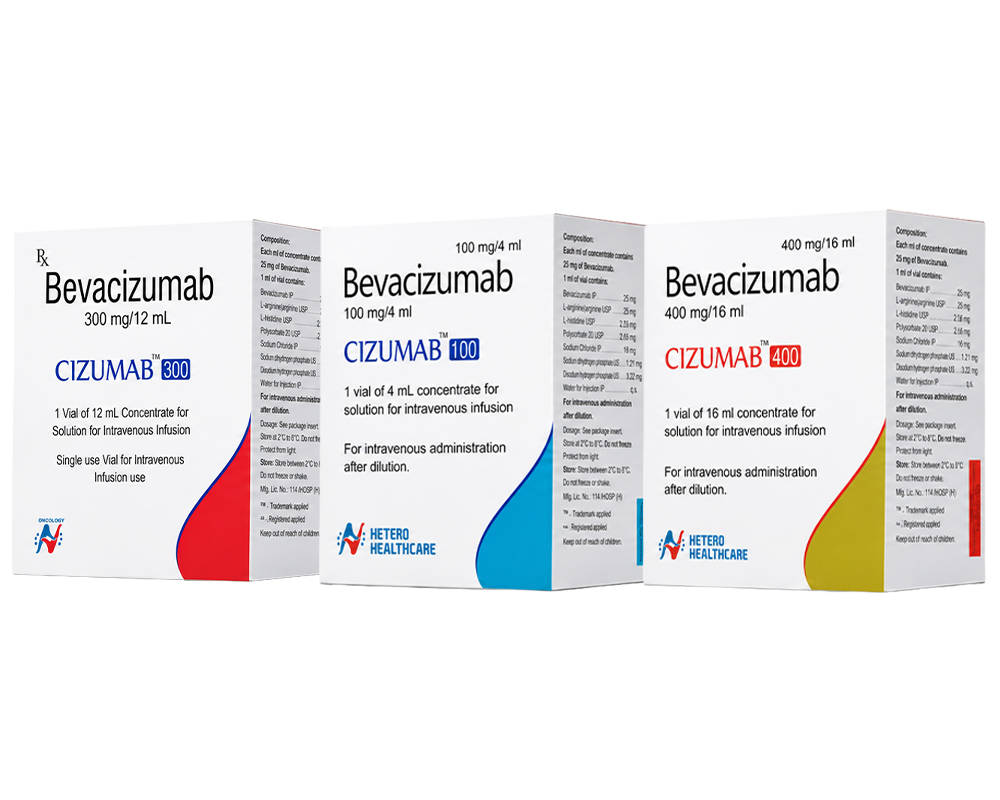
Available strengths:

100 mg 300 mg 400 mg

Mechanism of Action

Bevacizumab is a recombinant humanized monoclonal antibody that binds to vascular endothelial growth factor (VEGF-A). By preventing VEGF from interacting with VEGFR-1 and VEGFR-2 on endothelial cells, it:
  • Inhibits angiogenesis.
  • Reduces tumor vascular permeability.
  • Limits tumor blood supply.
  • Slows tumor growth and metastatic progression.
products_img

Mechanism of Action

Bevacizumab is a recombinant humanized monoclonal antibody that binds to vascular endothelial growth factor (VEGF-A). By preventing VEGF from interacting with VEGFR-1 and VEGFR-2 on endothelial cells, it:

  • Inhibits angiogenesis.
  • Reduces tumor vascular permeability.
  • Limits tumor blood supply.
  • Slows tumor growth and metastatic progression.

Indications

Bevacizumab is indicated for:

  • Metastatic Colorectal Cancer (mCRC) - in combination with fluoropyrimidine-based chemotherapy (first- or second-line).
  • Non-Squamous Non-Small Cell Lung Cancer (NSCLC) - first-line with carboplatin + paclitaxel in unresectable, locally advanced, recurrent, or metastatic disease.
  • Glioblastoma - single agent for progressive disease following prior therapy in adults.
  • Metastatic Renal Cell Carcinoma (mRCC) - in combination with interferon alfa.
  • Persistent, Recurrent, or Metastatic Cervical Cancer - with paclitaxel + cisplatin or paclitaxel + topotecan.

Dosage & Administration

dosage_and_adminstration_img
  • Route: Intravenous infusion only.
  • Do NOT administer as IV push or bolus.
  • Initial infusion over 90 minutes.
  • If tolerated, second infusion over 60 minutes.
  • Subsequent infusions may be given over 30 minutes.

Dose and frequency vary by indication and body weight.

Dose discontinuation recommended in:

  • GI perforation
  • Wound dehiscence
  • Severe hemorrhage
  • Arterial thromboembolic events
  • Nephrotic syndrome
  • Grade 4 hypertension

Adverse Drug Reactions (ADR)

Common ADRs
Hypertension
Hypertension
Epistaxis
Epistaxis
proteinuria
proteinuria
headache
Headache
fatigue
Fatigue
Diarrhea
Diarrhea
Serious ADRs
  • Gastrointestinal perforation.
  • Hemorrhage (including pulmonary hemorrhage).
  • Arterial and venous thromboembolism.
  • Wound healing complications.
  • Posterior Reversible Encephalopathy Syndrome (PRES).

Drug Interactions

  • Increased bleeding risk with anticoagulants.
  • Caution with cytotoxic agents affecting wound healing.
  • No major CYP-mediated interactions identified, but clinical monitoring advised.

Contraindications / Safety Profile

Contraindications
  • Hypersensitivity to bevacizumab or excipients.
  • Pregnancy.
Key Safety Risk
  • GI perforation.
  • Severe hemorrhage.
  • Hypertensive crisis.
  • Proteinuria / nephrotic syndrome.
  • Posterior Reversible Encephalopathy Syndrome (PRES).
  • Thromboembolic events.
  • Impaired wound healing.
  • Infusion reactions.

Disclaimer

Always follow your cancer specialist’s advice. Do not stop treatment or change doses without talking to your doctor. If anything feels unusual, report it promptly. Early communication helps keep treatment safe.