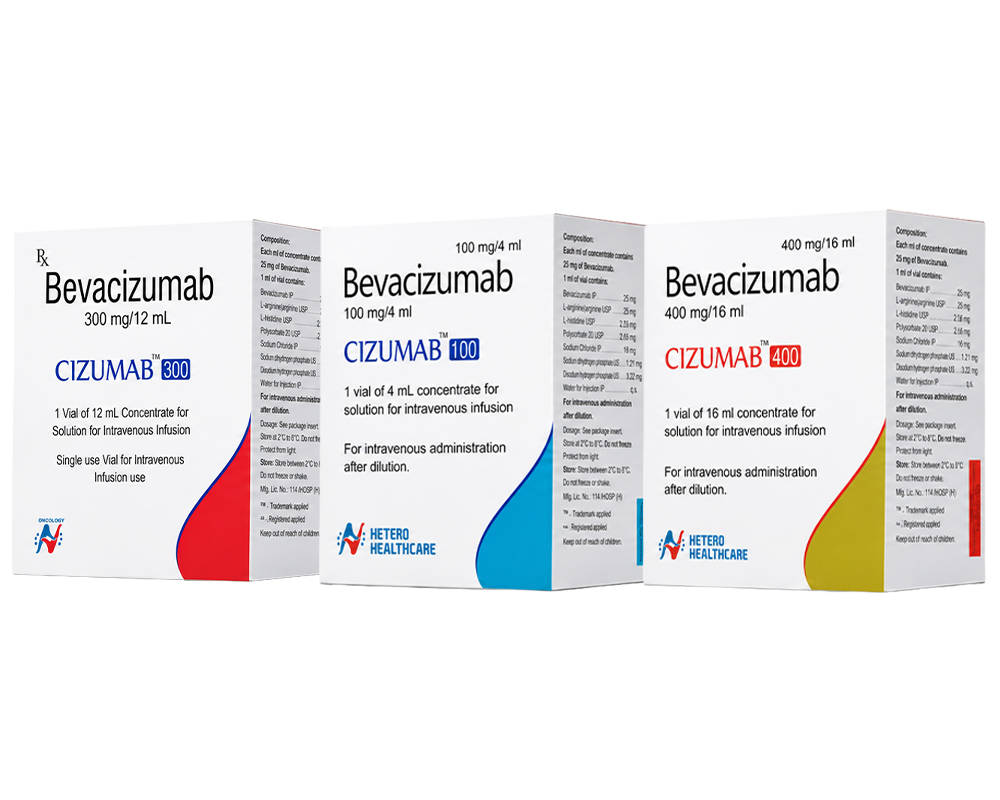
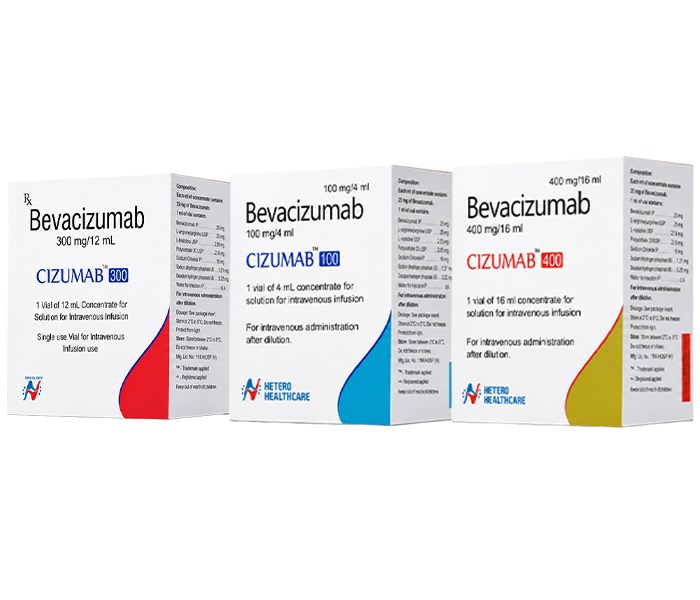
CIZUMAB is given as an intravenous (IV) infusion in a hospital or cancer center, usually together with other cancer medicines under the supervision of an oncology specialist.

Indications

Bevacizumab is used to treat some serious cancers, including

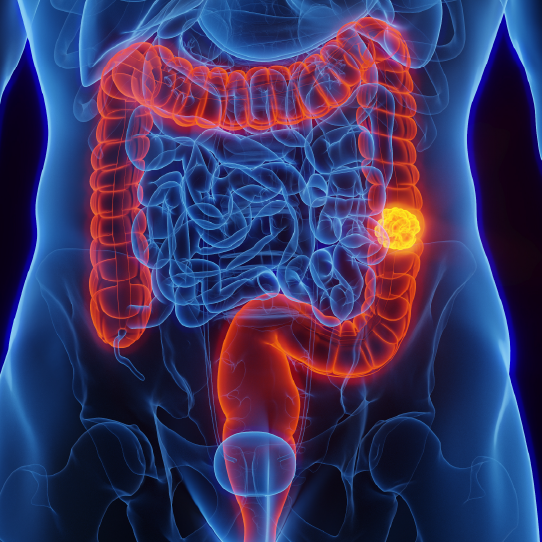
Bowel_cancer
Bowel cancer (Colon or Rectum)

Spread to other parts of the body.

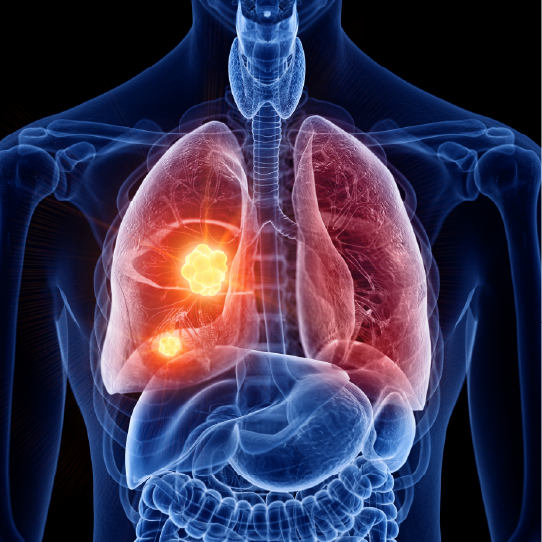
Lung_cancer
Lung cancer

In an advanced stage.

brain_tumor
Brain tumor (glioblastoma)

Has grown again after treatment.

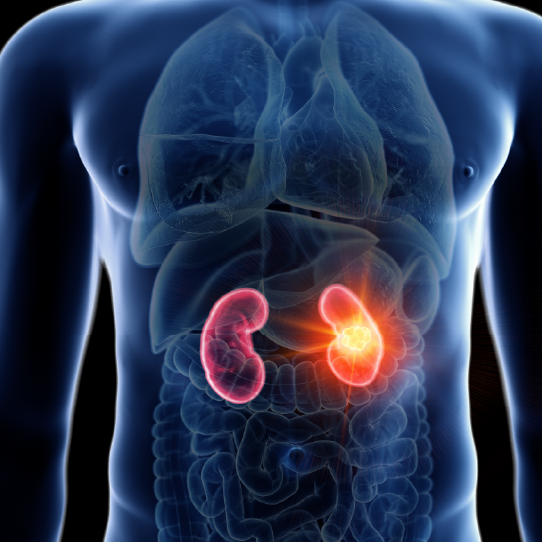
Kidney_cancer
Kidney cancer

Spread beyond the kidney.

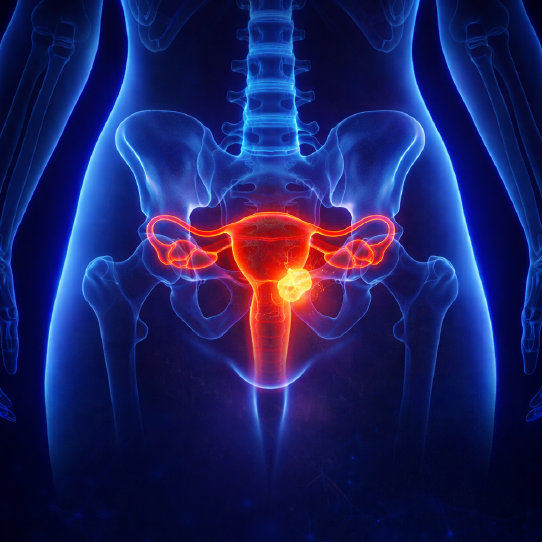
cervical_cancer
Cervical cancer

Has returned or spread.

It is usually given with other cancer medicines and only under the care of cancer specialists.


Precautions and Safety Information

Bevacizumab is a medicine used in the treatment of certain cancers. It works by blocking the growth of new blood vessels that tumors need to grow. Because of how it works, some side effects can be serious, so careful medical supervision is important.

  • Bevacizumab can cause serious side effects. Careful monitoring is needed.
  • Tell your doctor if you have severe stomach pain, fever, vomiting, or constipation.
  • Can cause abnormal openings inside the body (fistulas). Report unusual leakage, discharge, or pain in the chest, stomach, or pelvic area.
  • May lead to serious bleeding. Signs include coughing blood, vomiting blood, black stools, severe nosebleeds, or weakness.
  • Blood clots can occur and may cause stroke, heart attack, or clots in the lungs or legs. Seek help for chest pain, shortness of breath, leg swelling, sudden weakness, or trouble speaking.
  • May cause high blood pressure. Regular blood pressure checks are needed.
  • A rare brain condition can happen. Tell your doctor if you have severe headaches, confusion, seizures, or vision changes.
  • Heart failure has been reported. Signs include shortness of breath, leg swelling, or rapid weight gain.
  • Can slow wound healing. Treatment may be delayed before or after surgery.
  • May affect the kidneys. Watch for swelling or passing less urine.
  • Serious infections can occur. Report fever, chills, sore throat, or burning while urinating.
  • Rarely may cause jawbone problems, especially after dental work. Maintain good dental care and inform your doctor before dental procedures.
  • May affect fertility in women.

Common Side Effects

High blood pressure
High blood pressure
Protein in urine
Protein in urine
Feeling very tired
Feeling very tired
Diarrhea
Diarrhea
Headache
Headache
Nosebleeds
Nosebleeds
Mouth sores
Mouth sores
Loss of appetite
Loss of appetite
Weight loss
Weight loss
Dry skin or voice changes

Pregnancy and Breastfeeding

During pregnancy

Can harm an unborn baby. Do not use during pregnancy.

baby

Use birth control during treatment and as your doctor advises after treatment.

mother_and_baby

Do not breastfeed during treatment and for some time after.

Tell Your Doctor Before Treatment If You Have

doctor_patient

Tell Your Doctor Before Treatment If You Have

Bleeding problems
Bleeding problems
High blood pressure
High blood pressure 
Heart disease or stroke
History of blood clots
Kidney problems
Kidney problems
Dental issues
Dental issues
Recent or planned surgery

Disclaimer

Always follow your cancer specialist’s advice. Do not stop treatment or change doses without talking to your doctor. If anything feels unusual, report it promptly. Early communication helps keep treatment safe.